Summer shirt shopping has become unnecessarily complicated. Walk into any menswear retailer and you'll find yourself drowning in options that range from genuinely useful to completely impractical. I've spent the last two decades watching trends cycle through—some fade for good reason, others deserve a second look. This guide cuts through the noise and focuses on what actually performs when the temperature climbs.
the basics: what makes a summer shirt work
Before we talk trends, let's establish what separates a functional summer shirt from something that just looks good on a hanger. Weight matters. A proper summer shirt weighs between 120-160 grams per square meter (gsm). Anything heavier and you're carrying unnecessary fabric in 85-degree heat. The fabric needs breathability, which means natural fibers or specific synthetic blends that actually move moisture away from your skin.
I'm skeptical of the current trend toward "performance fabrics" that promise everything. Some deliver. Most don't. The ones that work tend to be honest about what they do: they dry quickly and reduce cling. That's it. They won't make you cooler than linen or cotton, but they'll keep you from looking like you've been swimming when you've just walked to the car.
linen: the summer standard that keeps working
Linen dominates summer menswear for a reason. The fiber structure creates tiny channels that move air and moisture efficiently. A 100% linen shirt in 150-180 gsm weight is the baseline for serious summer dressing.
The trend toward unstructured linen has real merit. Structured shoulders and darts create bulk. A simple box cut in linen with minimal construction lets the fabric do its job. Look for shirts with a straight seam down the back rather than a center pleat—that pleat exists to add volume, which you don't need in heat.
The wrinkle situation is real, and I won't pretend otherwise. Linen creases. Some people treat this as a feature. I treat it as a fact. If you're wearing linen, embrace it or buy linen-cotton blends (55/45 or 60/40 splits) that wrinkle less while maintaining breathability.
Maintenance: Wash linen in cool water, hang dry when possible. Tumble drying on low heat works but shortens the fiber life. Iron when damp for easier pressing. A quality linen shirt lasts 5-7 years with proper care.
cotton: the versatile workhorse
Cotton remains the most practical summer option for most men. Unlike linen, it holds structure, takes a crease, and doesn't require constant ironing to look intentional.
Oxford cloth cotton (around 140 gsm) works for casual summer wear. It's heavier than poplin but the weave structure creates airflow. The trend toward lighter oxford weights (120 gsm) is worth exploring if you live somewhere genuinely hot.
Poplin cotton (around 110-130 gsm) is tighter weave, smoother finish, and slightly less breathable than oxford. It's better for more formal summer occasions. The current trend toward "camp collar" poplin shirts (Hawaiian-style, open collar) works because the looser fit compensates for the tighter weave.
Cotton-linen blends (usually 55/45 or 60/40) have become the default trend. They're genuinely useful. You get cotton's structure and durability with linen's breathability. The wrinkle factor sits between the two fibers—more forgiving than pure linen, less stiff than pure cotton.
Maintenance: Cotton tolerates hot water and machine drying better than linen. A quality cotton shirt survives 50+ washes before significant degradation. Iron when damp or use a spray bottle. Cotton actually benefits from regular washing—the fibers soften.
specific trends worth your attention
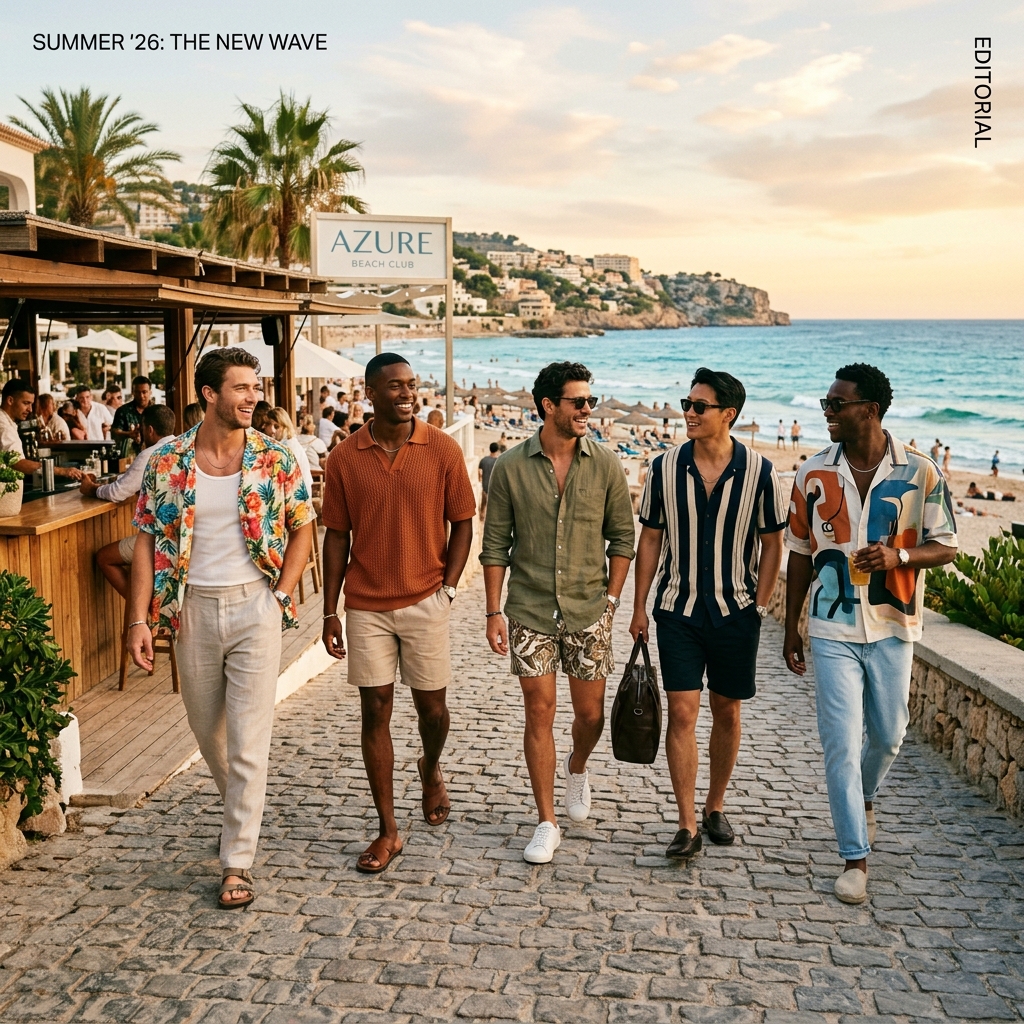
1. camp collar shirts — The Hawaiian-style open camp collar has moved beyond resort wear. In lightweight cotton or linen, it's genuinely practical. The collar sits flat against the chest, reducing heat buildup. The looser cut accommodates movement. This trend works because it solves actual problems.
2. short-sleeve button-ups — The resurgence of short-sleeve dress shirts (poplin or oxford) works for summer. The key is fit. Sleeves should hit mid-bicep, not halfway down your arm. Armholes should be relatively close to your body, not oversized. This prevents the "oversized pajama" look that's plagued short-sleeve shirts for years.
3. oversized cuts with structure — The current trend toward looser fits makes sense in heat, but only if the shirt maintains some structure. A boxy linen shirt with a defined shoulder seam and proper sleeve cap looks intentional. A shapeless oversized shirt looks like you grabbed whatever was on top of the pile.
4. linen shirts with visible texture — The move away from smooth, pressed linen toward more rustic weaves (slub linen, nubby finishes) is practical. Visible texture hides wrinkles and looks more intentional. It's also usually cheaper because manufacturers don't need to perfect the finish.
5. neutral color dominance — Cream, natural linen, soft gray, and warm white are trending because they work. Light colors reflect heat. Neutral tones pair with everything. This isn't a trend that will disappear because it's based on physics and practicality.
6. minimal pattern work — Micro-checks, subtle stripes, and tonal patterns are replacing loud prints. This works because summer heat makes you want to simplify. A cream linen shirt with a barely-visible tonal stripe looks effortless while remaining interesting.
7. Cuban collar variations — The Cuban collar (notched, open collar) sits between camp collar and traditional collars. It's less casual than camp collar, more relaxed than a standard button-up. Works in cotton-linen blends.
8. unlined short sleeves — Quality short-sleeve shirts now skip the undercollar lining. This reduces bulk and heat. The collar sits lighter against your skin. It's a small detail that makes a real difference.
9. natural fiber blends with performance finishes — Some brands now treat cotton-linen blends with moisture-wicking finishes that don't compromise breathability. These actually work, though they add 20-30% to the price.
10. reinforced seams with flat construction — The trend toward flat-felled seams and reinforced stress points extends shirt life and reduces chafing. This is functional trend-setting.
11. adjustable sleeve tabs — Convertible sleeves that roll and button are practical for temperature variation. You can wear them long in morning cool, roll them up as heat builds.
12. subtle shoulder shaping — The move away from completely unstructured shoulders toward minimal shaping works. It prevents the droopy look while maintaining breathability.
13. cropped lengths — Shorter shirt lengths (around 28-29 inches for a medium) work better with modern fits. They don't bunch when tucked, and they look intentional untucked. This is a legitimate trend improvement.
14. linen-viscose blends — Viscose adds drape to linen without sacrificing breathability. These blends (usually 50/50) are slightly less durable than pure linen but feel more luxurious. They wrinkle less than pure linen.
15. natural dye variations — Indigo, madder root, and other natural dyes are trending. They fade beautifully and develop character. The downside: they're expensive and require careful washing (cold water, gentle detergent).
16. pocket-free designs — Removing chest pockets reduces visual bulk and heat retention. This works better than you'd expect. The trade-off is losing a functional detail.
17. extended button plackets — Buttons that extend further down the chest create a longer opening for airflow. This is a small detail that improves function.
18. linen-wool blends — Merino wool in summer shirts (usually 30-40% wool) sounds wrong but works. Wool regulates temperature and resists odor. These are expensive and require careful washing.
19. textured cotton weaves — Seersucker, waffle weave, and other textured cottons create air channels. They're less versatile than smooth fabrics but genuinely cooler.
20. minimal dyeing for vintage effect — Undyed or lightly dyed fabrics are trending. They're sustainable, they age well, and they look intentional. The colors are usually soft and natural.
21. reinforced collar stays — Quality collar stays (bone or plastic) keep collars from flopping in humidity. This is a small detail that improves appearance in summer heat.
22. side seam adjustments — Modern summer shirts often have tapered or curved side seams that prevent bunching without requiring excessive tailoring. This works for various body types.
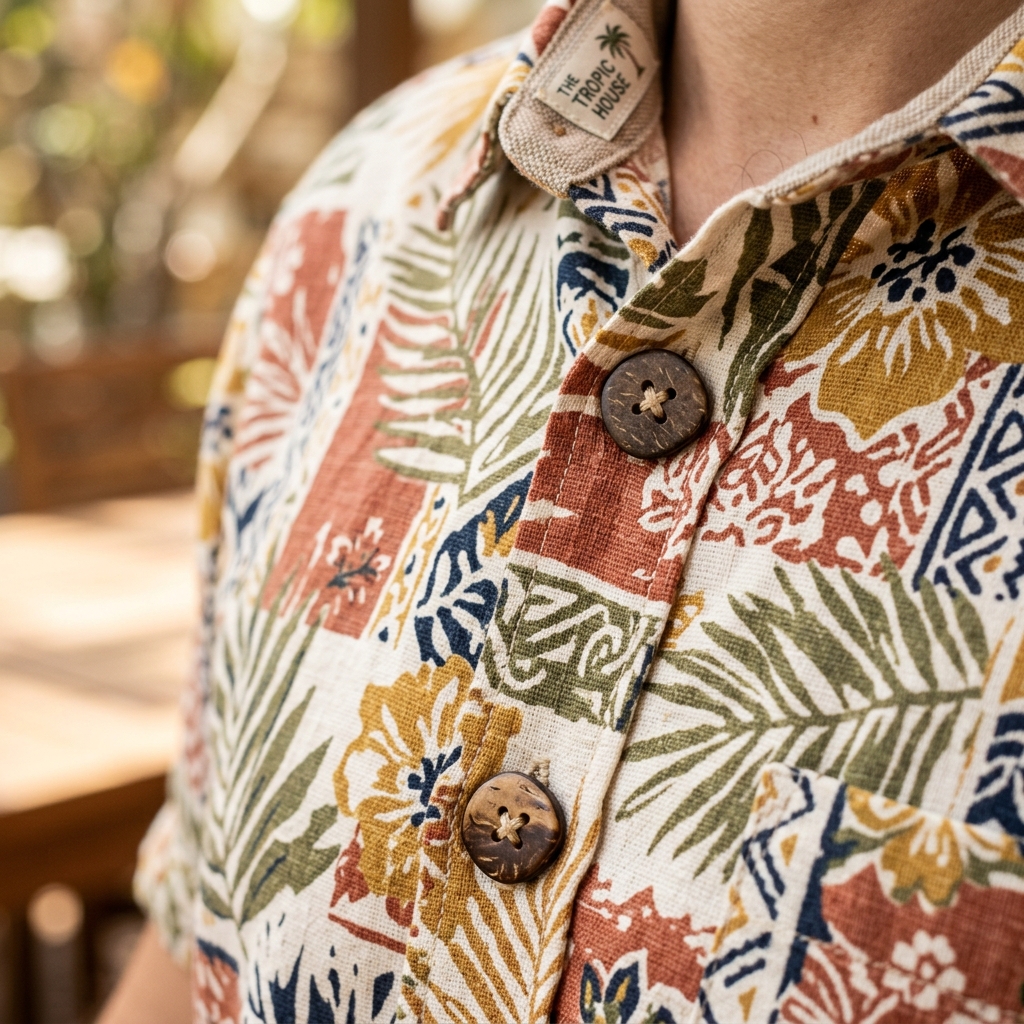
23. breathable button materials — Mother-of-pearl and coconut shell buttons don't retain heat like plastic. They're also more durable. This is a legitimate upgrade.
24. strategic ventilation panels — Some high-end summer shirts now include mesh or open-weave panels at the back yoke or underarms. These are functional and look intentional.
25. collar band variations — Reduced collar band height and width are trending because they're more comfortable in heat and look less formal. A 1.25-inch collar band works better than traditional 1.5-inch bands.
26. natural wrinkle acceptance — The cultural shift toward accepting natural fabric wrinkles as part of summer style is the biggest trend. This removes the pressure to maintain pristine appearance in heat.

maintenance and longevity
Summer shirts take abuse. Heat, sweat, and frequent washing accelerate deterioration. Here's what actually extends their life:
Wash in cold water when possible. Hot water breaks down natural fibers faster. Use a gentle detergent—heavy-duty formulas are unnecessary and damaging. Dry on low heat or hang dry. The tumble dryer is convenient but shortens shirt life by 30-40%.
Store summer shirts on hangers, not folded. Folding creates permanent creases in certain fabrics. Linen especially benefits from hanging storage because it allows the fibers to relax.
Address stains immediately. Summer means sweat stains, sunscreen, and food. Treat them before washing. A quality summer shirt can last 5-10 years with proper care. Cheap shirts deteriorate in 2-3 years regardless of maintenance.
the practical reality
The trend toward natural fibers, lighter weights, and functional design reflects what actually works in summer heat. The move away from heavy structures and toward minimal construction isn't just aesthetic—it's practical.
I'm skeptical of trends that prioritize appearance over function. Summer shirts that look good but feel terrible are failures. The best current trends (camp collars, linen-cotton blends, minimal construction) work because they solve real problems.
When shopping, focus on fit first. A perfectly on-trend shirt that doesn't fit your body will disappoint. Sleeves should hit mid-bicep. The shirt should sit close enough to show your shape without clinging. Length should hit mid-hip when untucked.
Test the fabric. Run your hand across it. Does it feel pleasant? Will you want to wear it for eight hours? Trends matter less than comfort when temperatures climb.
Summer shirt shopping doesn't require chasing every trend. Focus on quality basics in natural fibers, fit your body properly, and maintain them carefully. The trends worth following are the ones that improve function. Everything else is just noise.