30 green monochromatic outfit ideas for men this summer: a practical guide to wearing one color
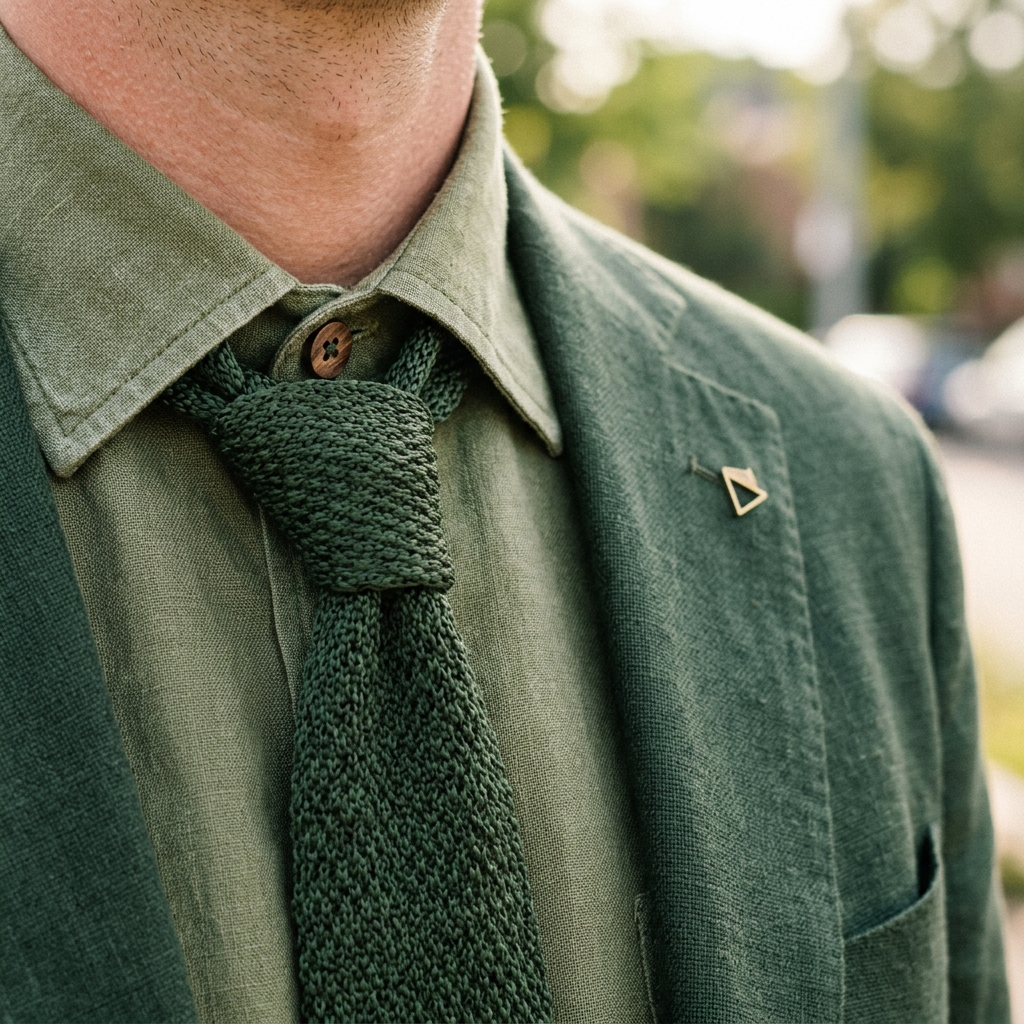
Green monochromatic dressing has moved from experimental territory into something genuinely wearable for summer. I've watched this shift happen over the past three years—what started as Instagram posturing has become a legitimate styling approach that works in real life. The reason is simple: green, unlike some other single-color palettes, has enough natural variation in tone and saturation to prevent looking costume-like.
This isn't about buying 30 identical outfits. It's about understanding how to layer different shades, textures, and garment weights within a single color family to create actual variety while maintaining visual cohesion.
why green specifically works for monochromatic summer style
Green has historical precedent in menswear that most people overlook. Military uniform traditions established khaki and olive as legitimate masculine colors decades ago. Workwear—from Carhartt to vintage Dickies—normalized sage and forest greens. What's changed is that we're now treating the entire green spectrum as fair game rather than restricting ourselves to muted, utilitarian versions.
The color psychology matters too. Green reads as intentional without being aggressive. It doesn't demand attention the way red or black monochromatic dressing does. For summer specifically, green connects to natural environments—it's the color of leaves, grass, water reflections. Wearing it feels seasonally appropriate rather than forced.
From a practical standpoint, green flatters a wider range of skin tones than you'd expect. Cooler greens (sage, seafoam, forest) work on olive and deeper complexions. Warmer greens (moss, khaki, chartreuse) suit lighter skin tones. This flexibility means the aesthetic isn't restricted to a narrow demographic.
understanding the green spectrum for layering
The 30 outfit concept works because you're not actually buying 30 pieces. You're buying 6-8 core pieces and rotating them with different combinations. The key is understanding which greens sit where on the spectrum.
Pale and muted greens: Sage, celadon, pistachio. These are your base layers and lightweight pieces. Think linen shirts, cotton t-shirts, lightweight sweaters. They're forgiving and work in almost any combination.
Mid-tone greens: Moss, seafoam, fern. These are your workhorses. They're saturated enough to look intentional but not so dark they read as heavy in summer heat. Most of your rotation happens here.
Deep greens: Forest, hunter, bottle green. Use these sparingly in summer—as shorts, a lightweight overshirt, or as an accent in knitwear. They provide visual weight and contrast against lighter greens.
Warm greens: Khaki, olive, chartreuse. These bridge green and neutral territory. Khaki especially gives you flexibility if you need to occasionally break the monochromatic rule.
The mistake most people make is treating all greens as interchangeable. They're not. A sage linen shirt under a forest green overshirt creates visual interest. A moss t-shirt under a seafoam jacket looks flat and confused.
the 30 outfit breakdown: specific combinations
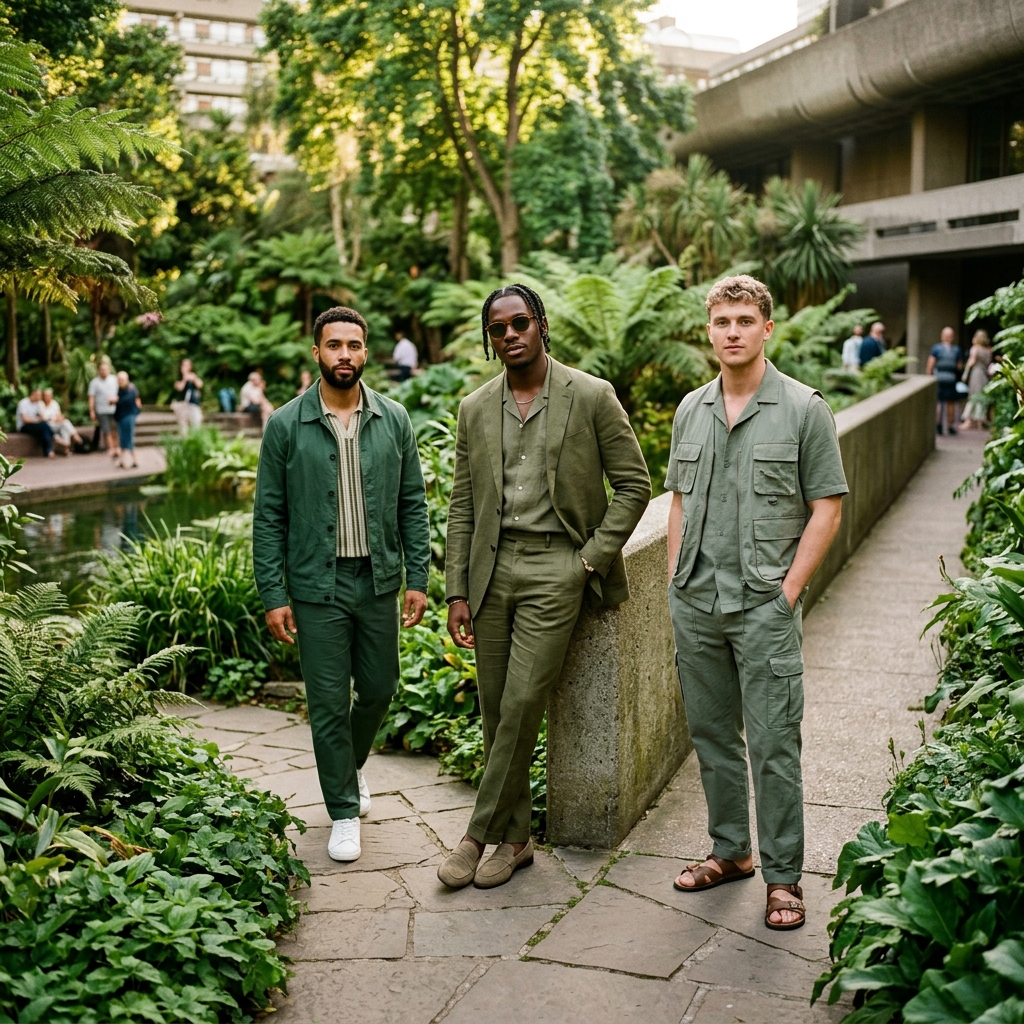
Here's how you actually build this wardrobe:
Lightweight base layers (5 pieces): Sage linen shirt, seafoam cotton t-shirt, pale green henley, moss crew neck t-shirt, pistachio tank top. These are your foundation. Wear them alone or under other pieces.
Shorts (4 pairs): Moss chino shorts (7-inch inseam), sage linen shorts (6-inch inseam), forest green swim trunks, khaki shorts (neutral backup). Summer demands shorts rotation for washing and weather variation.
Overshirts and lightweight jackets (4 pieces): Seafoam linen overshirt (unstructured, camp collar), forest green lightweight harrington jacket, sage cotton poplin shirt jacket, khaki lightweight blazer (your escape hatch if you need to break monochromatic).
Trousers (2 pairs): Moss linen trousers (for evening or dressier situations), sage cotton chinos (for casual-smart occasions).
Knitwear (3 pieces): Seafoam cotton sweater (short-sleeved, for cool mornings), forest green lightweight merino (layering piece), pale green linen knit (texture contrast).
Outerwear (2 pieces): Sage unlined linen jacket (structured, for actual events), khaki lightweight rain jacket (functional, slightly outside the monochromatic boundary but necessary).
Footwear (3 pairs): White leather sneakers (contrast), sage canvas sneakers (cohesion), khaki suede loafers (neutral option).
Accessories: Pale green linen pocket square, moss canvas belt, seafoam crew socks, forest green baseball cap.
This gives you roughly 30+ combinations without redundancy. The math works because you're varying sleeve length, fabric weight, saturation, and silhouette.
fabric selection for summer green monochromatic
Fabric choice determines whether this works or looks like you're wearing pajamas. Summer demands breathability, but it also demands that clothes hold their shape.
Linen: This is your primary fabric. It wrinkles—that's part of the aesthetic—but it breathes. Look for medium-weight linen (around 150-180 gsm) rather than heavy or tissue-thin. Brands like Suitsupply and Huckberry stock reliable options. A sage linen shirt will cost $80-120 and last three summers if you care for it properly.
Cotton: High-quality cotton (at least 100s count) works for t-shirts and structured shirts. Avoid thin, cheap cotton that pills and loses shape. Uniqlo's Supima cotton basics are genuinely good value here.
Merino wool: Counterintuitive for summer, but lightweight merino (under 200 gsm) breathes better than cotton and regulates temperature. A seafoam merino crewneck costs more ($120-180) but won't need washing after every wear.
Cotton-linen blends: These split the difference. They're less wrinkled than pure linen but more breathable than pure cotton. Good for overshirts and jackets.
Avoid: Polyester-heavy blends, cheap synthetics, anything that doesn't breathe. The monochromatic approach only works if the clothes fit well and move naturally. Cheap fabric undermines the entire concept.

care and maintenance of a green monochromatic wardrobe
This wardrobe requires actual maintenance. You can't buy it and ignore it.
Washing: Separate greens from other colors. Wash in cool water with a mild detergent. Avoid chlorine bleach entirely—it yellows greens. For linen, expect some shrinkage in the first wash; size up slightly when buying.
Drying: Air dry whenever possible. Linen especially benefits from line drying. If you use a dryer, use low heat and remove immediately to minimize wrinkles.
Storage: Fold rather than hang most pieces to prevent stretching. Hang only structured jackets and overshirts. Use cedar blocks or lavender sachets to prevent moth damage in merino pieces.
Stain treatment: Green fabrics hide stains better than light colors, but treat them immediately anyway. For linen and cotton, use cold water and enzyme-based stain removers. Avoid hot water, which sets protein-based stains.
Rotation: Don't wear the same piece two days in a row. This extends fabric life and prevents odor buildup in summer heat. With 5-6 base layer options, you can rotate easily.
when monochromatic green actually fails
I need to be honest about the limitations. Green monochromatic doesn't work for:
Formal events: A wedding, black-tie situation, or business presentation demands more visual hierarchy than monochromatic provides. You'll look like you're making a statement when you should be invisible.
Very hot climates: If you're in 95+ degree heat consistently, the psychological weight of wearing one color can feel oppressive. This works better in temperate summers.
People who hate drawing attention: Monochromatic dressing, even in green, is inherently noticeable. If you prefer blending in, stick to neutral mixing.
Workplaces with strict dress codes: If your job requires business casual with specific color restrictions, this won't work.
For everyone else, the approach is genuinely practical. It simplifies decision-making, reduces decision fatigue, and creates a cohesive visual identity without requiring expensive designer pieces.
practical execution: where to actually buy these pieces
You don't need to spend $2,000 to build this wardrobe. Here's where the pieces actually exist:
Uniqlo: Reliable basics in multiple green shades. Cotton t-shirts ($10-15), linen shirts ($30-40). Quality is consistent.
J.Crew and J.Crew Factory: Better linen options, structured pieces. Sales happen frequently.
Huckberry: Curated selection of heritage brands. Higher price point but better fabric quality.
Banana Republic: Surprisingly good linen and cotton-linen blends in their summer collections.
Suitsupply: If you need structured pieces or want a green blazer, their linen jackets are excellent.
Thrift and vintage: Olive and khaki pieces from military surplus or vintage workwear. This is where you find character pieces that new retail can't match.
The goal is mixing price points. Buy basics cheap, invest in one or two quality pieces (a linen jacket, a merino sweater), and fill gaps with mid-range options.
final thoughts: making monochromatic green work for your life
This isn't a trend that will disappear in six months. Monochromatic dressing has been a consistent approach in high fashion for over a decade. Green specifically works because it's neither aggressively trendy nor boring.
The 30 outfit concept is real, but it requires intentionality. You're not buying randomly. You're building a system where every piece works with multiple others. That takes planning.
Start with three base pieces: a sage t-shirt, moss shorts, and a seafoam overshirt. Wear them for a week. If you feel comfortable and look decent, expand from there. If it feels wrong, it probably isn't for you, and that's fine.
For those who commit to it, the payoff is genuine: fewer decisions, less laundry sorting, a clear visual identity, and clothes that actually work together. That's worth more than following whatever color palette Instagram is pushing this month.