deadpool costume men ideas: beyond the obvious red suit
When you search for deadpool costume ideas, you're usually met with the same tired Pinterest boards showing mass-produced costumes that look like they were designed by someone who's never actually seen the character move. I've styled men for comic conventions, Halloween events, and film production work, and I can tell you that a functional deadpool costume requires understanding fabric behavior, movement mechanics, and the actual comic book design evolution.
The deadpool aesthetic has shifted significantly since Rob Liefeld's 1991 debut. The character's visual identity went from a basic mercenary silhouette to something far more intentional—the suit became part of his personality, not just his uniform. That distinction matters when you're building something that actually works on your body.
understanding the core deadpool silhouette
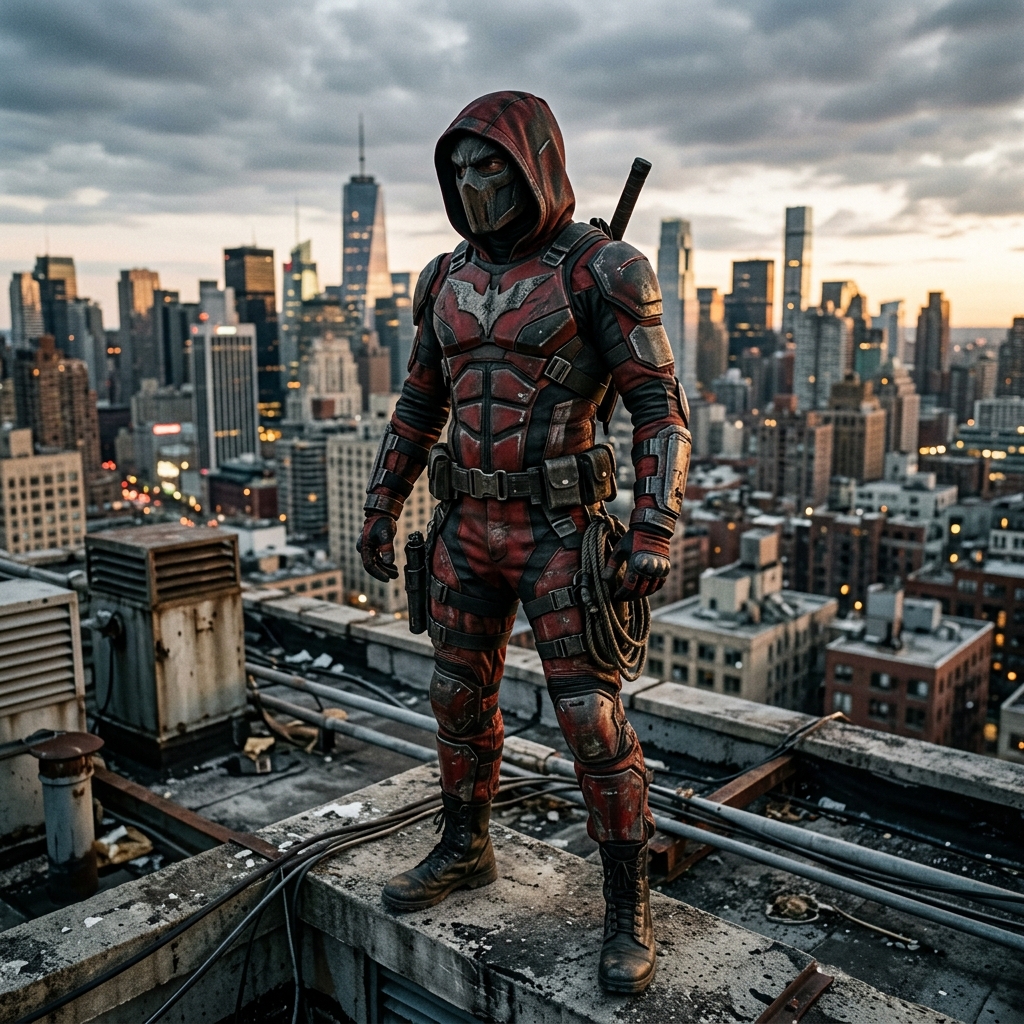
The foundation of any deadpool costume isn't complicated, but it does demand precision. You're looking at a form-fitting bodysuit in primarily red with black accents. The proportions matter more than most people realize. The suit should sit snug without restricting movement at the shoulders or thighs—think athletic wear tension, not compression garment tightness.
The color palette is non-negotiable: Pantone 200C red (a slightly blue-shifted red) paired with pure black. Most men use the wrong red—too orange, too bright, too flat. The suit needs depth. I recommend looking at actual comic panels rather than movie stills, since film lighting often washes out the intended color relationships.
The mask is where execution separates casual costumers from people who actually understand the character. The eyes should be white with black pupils, slightly oversized and positioned high on the face. The mouth area typically features a stitched or printed grin. Getting the eye placement correct prevents that amateur "sad face" effect you see in bad cosplay.
24 practical deadpool costume approaches
1. the athletic base layer method
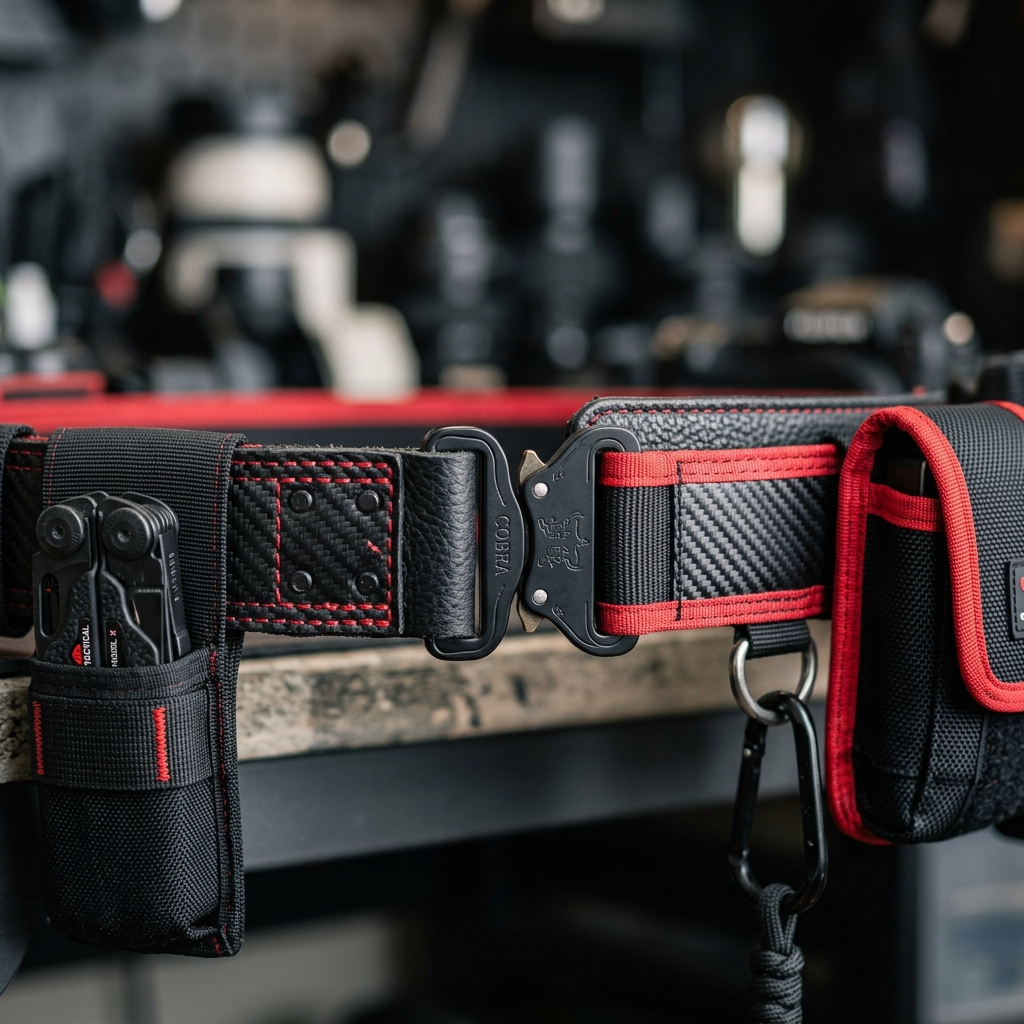
Start with a fitted red athletic compression shirt and red compression tights. This gives you the foundation without custom sewing. Layer a black utility belt, black gloves, and black boots. Add a red hoodie or light jacket for convention walking. This approach costs under $80 and works for casual events.
2. the custom spandex bodysuit
Commission or purchase a full spandex suit from specialty cosplay vendors. Spandex offers genuine movement capability and maintains shape throughout the day. Budget $120-200. The key is ensuring the spandex is at least 90% nylon, 10% spandex for durability.
3. the fabric paint method
Buy a plain red bodysuit and hand-paint black accents using fabric paint. This gives you complete design control. Use Jacquard Textile Paint (flexible when dry) rather than standard acrylics. Requires patience but costs under $50.
4. the motorcycle suit adaptation
Repurpose a red motorcycle suit as your base. These are already engineered for movement and durability. Add black fabric paint or sewn accents. Motorcycle suits breathe better than spandex and last longer. Budget $150-300.
5. the layered athletic approach
Red athletic shirt + red joggers + black overshirt + black tactical vest. This works for "modern deadpool" interpretations. More casual, easier to move in, and you can actually wear it outside of costume events.
6. the screen-printed option
Order a pre-printed deadpool athletic shirt from vendors like Etsy or specialized costume sites. Pair with red pants and black accessories. Quality varies wildly—look for vendors with actual reviews showing the print durability after washing.
7. the luxury spandex route
Purchase performance spandex from dancewear suppliers like Discount Dance Supply. These fabrics are engineered for movement and have superior recovery. Costs $30-50 per yard. You'll need roughly 3-4 yards for a full suit.
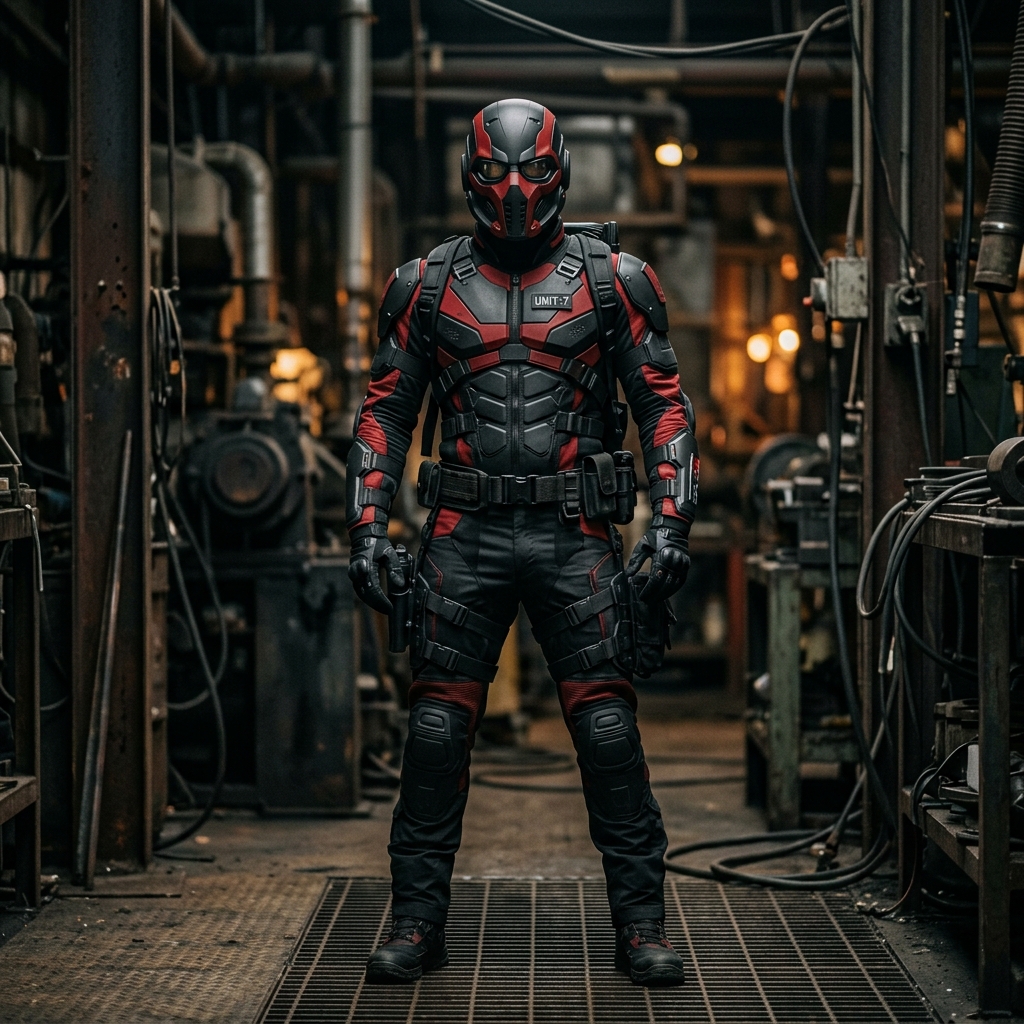
8. the tactical gear interpretation
Red base layers + black tactical pants + black combat boots + red and black harnesses. This works for "operative deadpool" looks and feels more grounded than pure spandex.
9. the fleece-backed option
Use fleece-backed spandex for cooler weather events. Maintains shape better than regular spandex and provides insulation. Slightly less flexible but more practical for outdoor conventions.
10. the mesh panel method
Combine solid red spandex with black mesh panels at the sides and back for ventilation. Improves breathability significantly while maintaining the silhouette.
11. the printed fabric approach
Commission custom-printed fabric with your exact deadpool design, then have a tailor construct the suit. Costs $200-400 but gives you a genuinely professional result.
12. the wetsuit base
A red wetsuit provides surprising durability and movement capability. Add black fabric paint or appliqués. Works especially well for outdoor events.
13. the dance costume supplier route
Companies like Discount Dance Supply and Capezio sell pre-made dance costumes that can be adapted. Often cheaper than specialty cosplay vendors.
14. the DIY sewing approach
Purchase McCall's or Simplicity patterns for form-fitting bodysuits (usually $8-15) and red spandex fabric. Requires basic sewing skills but costs under $60 total.
15. the oversized athletic interpretation
Red oversized hoodie + red sweatpants + black combat boots + red beanie. This "casual deadpool" look works for people uncomfortable in tight costumes.
16. the performance wear method
Use actual performance athletic wear designed for runners and cyclists. These fabrics are engineered for movement and moisture-wicking. Brands like Nike and Lululemon make red pieces that work.
17. the vinyl suit option
Latex or vinyl provides a glossy, intentional look. Requires talc powder for wearing and removal. More challenging but visually striking. Budget $150-300.
18. the henley and tactical pants combo
Red fitted henley + red tactical pants + black boots + black gloves. More "mercenary" than "superhero," but accurate to some comic interpretations.
19. the cosplay vendor pre-made suit
Purchase from established cosplay vendors like Xcoser or CosplayFU. Quality is consistent, and they handle sizing. Costs $80-150. The trade-off is less customization.
20. the fabric panel method
Wear red athletic wear and add black fabric panels using fabric glue or stitching. Gives you control over exact placement and proportions.
21. the compression shirt layering approach
Red compression shirt + red compression tights + red athletic shorts over the tights + black overshirt. Provides coverage and movement capability.
22. the custom dye method
Purchase white spandex and dye it red using Procion dyes (designed for synthetics). Add black accents with fabric paint. Budget $40-60 and requires access to hot water.
23. the performance dance belt approach
For men concerned about fit and comfort, dance belts provide support under tight costumes. Pair with red spandex and black accents.
24. the hybrid professional approach
Red performance athletic wear as base + custom-commissioned black accents + professional mask from a specialty vendor. This is what I recommend for people who want genuine quality without full custom tailoring. Budget $200-300.
fabric selection and maintenance
The fabric you choose determines how long your costume lasts and how it performs. Spandex offers the best movement but requires hand washing and air drying. Machine washing degrades the elasticity within 10-15 washes. If you're wearing this multiple times, invest in a garment bag and wash it in cold water with gentle detergent.
Polyester blends are more durable but less flexible. They tolerate machine washing better and cost less initially. The trade-off is reduced mobility and a slightly less authentic appearance.
Nylon-spandex blends (typically 90/10 or 85/15) offer the sweet spot—they're durable, flexible, and maintain color better than pure spandex. They cost slightly more but justify the investment if you're wearing this more than twice.
Avoid 100% polyester costumes. They look flat, don't move with your body, and feel cheap. The visual difference between quality spandex and cheap polyester is immediately obvious in photos.
mask construction and visibility
The mask is the most critical component and where most costumes fail. You need actual visibility to move safely at events. A completely opaque mask looks better in photos but makes navigation impossible.
The eye panels should be constructed from semi-transparent black mesh (the same material used in athletic wear). This allows you to see while maintaining the visual effect. Position the mesh slightly behind the outer eye shape so it's invisible from the front.
For the mouth area, you have options: printed stitching, embroidered details, or actual fabric stitching. Printed stitching is easiest and cheapest. Embroidered looks more professional. Actual fabric stitching (using contrasting thread) is most durable.
The mask should attach to your head with elastic straps rather than relying entirely on the bodysuit. This prevents the mask from shifting during movement.
practical considerations for extended wear
If you're wearing this for more than a few hours, comfort matters. Spandex costumes restrict air circulation. Plan for bathroom breaks (you'll need help removing the suit). Bring a moisture-wicking undershirt to wear underneath. This prevents sweat buildup and reduces skin irritation.
Footwear is often overlooked. Red and black boots or shoes complete the look, but they need to be genuinely comfortable for walking. Don't sacrifice foot comfort for aesthetics—you'll regret it after four hours at a convention.
Bring a change of clothes. You'll want to remove the costume during breaks. Spandex costumes are exhausting to wear continuously.
color accuracy and photography
Most deadpool costumes fail in photos because the red is wrong. Pantone 200C is a specific color—it's red with blue undertones, not orange-red. When photographing your costume, shoot in natural daylight. Flash photography washes out the color relationships.
If you're commissioning a costume, request fabric swatches and compare them to official comic panels. Don't rely on vendor photos—lighting completely changes how colors appear.
Black accents should be pure black (Pantone Black or close to it), not dark gray. The contrast between the red and black is what makes the design read correctly from a distance.
the practical reality
Building a quality deadpool costume takes time and attention to detail. The cheapest option ($40-60) will look cheap. The mid-range option ($150-200) will look solid and last multiple events. The premium option ($300+) will look genuinely professional.
Pick the approach that matches your actual use case. If you're wearing this once for Halloween, the athletic base layer method works fine. If you're wearing this to multiple conventions, invest in quality spandex and a professionally constructed suit.
The character's appeal lies in the combination of humor and competence. Your costume should reflect that—it should look intentional, not thrown together. That's the difference between a costume and a character interpretation.