25 Men's Graduation Suit Ideas: Styling for Ceremony and Beyond
Your graduation ceremony happens once. The suit you wear that day becomes part of the visual record—photographs your family will display for years, memories tied to fabric and fit. This isn't the moment for trends that'll look dated in six months. I've spent the last decade watching graduates make suit choices they either treasure or regret, and the difference almost always comes down to understanding what actually works for your body, your climate, and your post-ceremony life.
why graduation suits deserve serious consideration
Most men treat graduation suit shopping like buying a costume. They grab whatever fits in the chest, ignore the sleeve length, and move on. This approach leaves you looking uncomfortable in photos and, worse, stuck with a suit that doesn't work anywhere else.
A graduation suit should accomplish three things simultaneously: photograph well under typically harsh outdoor lighting, fit your specific proportions without alterations that compromise the garment's integrity, and transition into regular rotation for weddings, job interviews, and professional events over the next five years. That's a tall order, which is why I'm breaking down 25 practical approaches to getting this right.
understanding the foundational suit structures
Before we discuss specific suit ideas, you need to understand how suit construction affects both appearance and wearability.
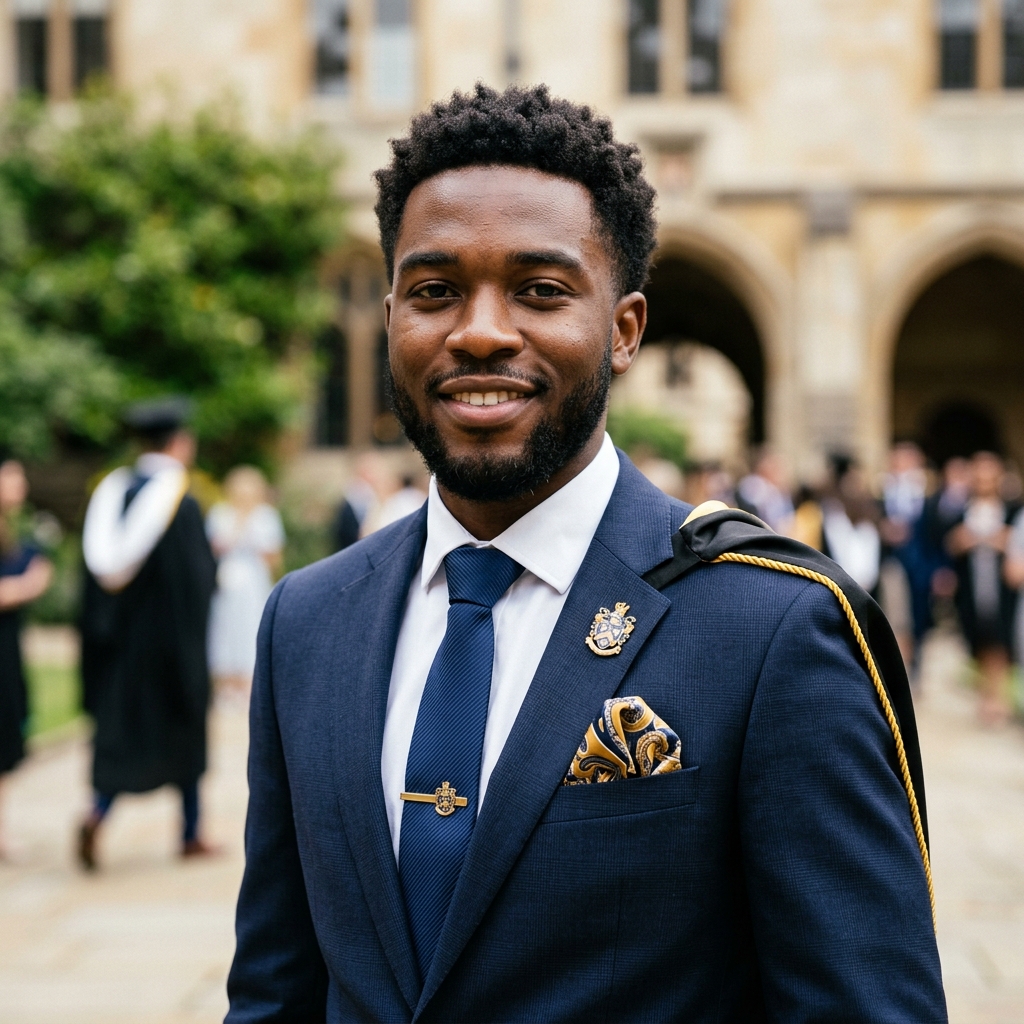
The two-button suit remains the most versatile choice for graduation. It photographs cleanly, works across body types, and doesn't scream "formal event" so loudly that you can't wear it casually later. A two-button jacket typically has a button stance (the distance from the top button to the end of the jacket) around 9-10 inches, which creates visual balance on most frames.
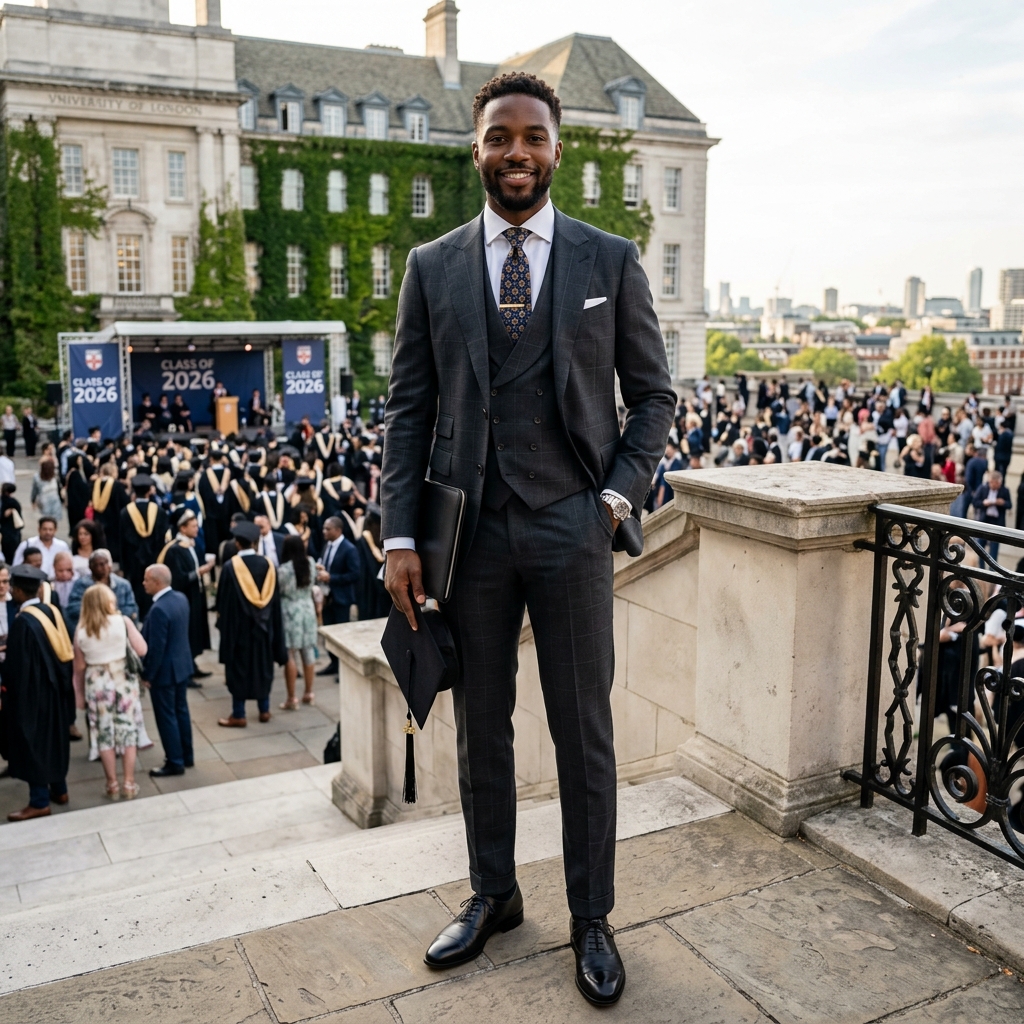
Three-button suits work if you're tall (6'2" and above) or have a longer torso. They elongate the frame but require more precise tailoring. I've seen three-button suits look sloppy on shorter graduates because the proportions don't match their body length.
Single-button suits are less common but excellent for very tall men or those with unconventional proportions. They're also the most modern-looking option if your ceremony allows for contemporary styling.
The lapel width matters more than most men realize. Standard lapels run 3.25 to 3.5 inches wide. Anything narrower looks dated or cheap; anything wider (over 3.75 inches) reads as costume-like. Your lapel width should roughly match the width of your shoulder seam—this creates visual harmony.
the 25 graduation suit ideas broken down by category
classic dark suits with versatile applications
1. Navy two-button wool blend (55% wool, 45% polyester)
Navy photographs better than black under natural light and doesn't show every speck of dust. The polyester blend adds durability for repeated wear. Pair with a white dress shirt and a subtle silk tie in burgundy or navy. This is your safest bet if you're unsure about personal style.
2. Charcoal gray with subtle texture
A charcoal suit with a faint herringbone or bird's-eye weave adds visual interest without being distracting in photos. This works for nearly every skin tone and pairs with almost any shirt color. The texture also hides minor wrinkles better than flat-weave fabric.
3. Black wool suit with high-twist yarn
If your ceremony demands black, choose a high-twist wool where the yarn is tightly spun. This creates subtle sheen and prevents the flat, funeral-home appearance of low-quality black suiting. Pair with a white shirt and minimal accessories.
4. Midnight blue (almost black, but not quite)
This is the compromise between navy and black. It photographs as black but offers the versatility of navy for future wear. Look for suits labeled "midnight" or "navy-black" from brands like Suitsupply or J.Crew.
modern slim and contemporary cuts
5. Slim-fit navy with tapered trousers
A slimmer jacket (about 2 inches smaller through the chest than traditional cuts) with trousers that taper from knee to ankle. This works well if you're athletic or lean. The key is ensuring the jacket still has enough room through the shoulders—never compromise shoulder fit for a slimmer silhouette.
6. Contemporary cut with higher button stance
A higher button stance (10.5-11 inches) makes you appear taller and leaner. This works if you're under 5'10" or have a shorter torso. The higher button also photographs better because it creates more visual separation between your torso and legs.
7. Unstructured blazer with dress trousers
Some ceremonies allow separates instead of a matched suit. An unstructured blazer (minimal shoulder padding, soft construction) paired with flat-front trousers in the same color creates a modern, less formal appearance. This is ideal if your graduation is outdoor and casual.
textured and patterned options
8. Subtle windowpane check in gray
A windowpane pattern (large, visible squares) in a gray suit adds personality without looking costume-like. The pattern should be subtle enough that it reads as texture from 10 feet away. This works for daytime ceremonies.
9. Tonal pinstripe in charcoal
A pinstripe where the stripe color is only slightly lighter than the base fabric creates sophistication without the "Wall Street banker" vibe. A 1/8-inch stripe is modern; anything wider looks dated.
10. Subtle houndstooth weave
A houndstooth pattern woven into the fabric (rather than printed) adds texture and visual interest. It photographs well and works for both formal and business contexts afterward.
11. Micro-checked wool
A check so small it reads as a solid from normal viewing distance, but adds depth in close-up photography. This is the "safe" patterned suit option.
seasonal and climate-appropriate choices
12. Lightweight wool for warm climates (120s count)
Wool count refers to fiber fineness. A 120s count is lighter and more breathable than standard 100s wool. If you're graduating in May or June in a warm climate, this prevents you from looking like you're melting in photos. The fabric drapes beautifully and feels less heavy.
13. Linen-wool blend (30% linen, 70% wool)
Linen adds breathability and creates a slightly textured appearance. It wrinkles more than pure wool, but that casual wrinkle is acceptable and even desirable for outdoor ceremonies. The blend maintains structure better than pure linen.
14. Tropical weight wool (150s count)
The finest wool available, tropical weight is almost translucent and incredibly light. It's expensive but ideal if you're graduating in a hot climate and want to wear the suit repeatedly without discomfort.
15. Wool-silk blend
Silk adds subtle sheen and drape. A 10-15% silk content creates a more luxurious appearance without looking shiny. This works particularly well for evening ceremonies.
unconventional but appropriate options
16. Olive or sage green suit
A muted green suit is unexpected but works beautifully for outdoor ceremonies with natural backgrounds. Pair with a cream or white shirt. This is bold but sophisticated if you have the confidence to pull it off.
17. Warm gray-brown (taupe)
A taupe suit is neutral but warmer than standard gray. It photographs beautifully in natural light and works well if you have warm undertones in your skin. This is less common, which means fewer people will have worn the same suit in photos.
18. Burgundy suit (deep wine color)
A deep burgundy is formal enough for graduation but distinctive. It works if your ceremony allows for personality. Pair with a white or cream shirt and minimal pattern.
19. Dark teal suit
Teal sits between navy and green. It's unusual enough to stand out in photos but formal enough for ceremony. This requires confidence and a clear vision of your personal style.
fabric and construction details that matter
20. Half-lined jacket (lined only to the waist)
A half-lined jacket is lighter, drapes better, and shows off your shirt and tie more effectively than a fully lined jacket. It's also easier to move in and less hot. Most quality suits use this construction.
21. Functional button holes
Real button holes (rather than sewn-shut decorative holes) on the jacket cuffs allow you to unbutton them when sitting, which prevents the jacket from bunching and photographs better. This is a sign of quality construction.
22. Flat-front trousers with side adjusters
Flat-front trousers create a cleaner line than pleated fronts and photograph better. Side adjusters (instead of a center waistband button) allow for fit adjustments without tailoring. This is practical if you're between sizes.
23. Proper trouser break (slight)
Trouser break is the amount of fabric that sits on top of your shoe. A slight break (about half an inch of fabric touching the shoe) is modern and photographs well. Anything more looks dated; anything less looks too short.
24. Structured shoulders with natural padding
Structured shoulders (not overly padded, but with clear definition) photograph better than soft, unstructured shoulders. They make you appear broader and more confident. However, the padding shouldn't be so heavy that you can't move your arms comfortably.
25. Wool with natural stretch (2-4% elastane)
Modern suiting often includes a small amount of elastane (spandex) for stretch without compromising appearance. This makes the suit more comfortable for extended wear and movement, which matters during a ceremony where you're sitting, standing, and walking.
practical execution: how to actually buy and wear these suits
Don't buy a graduation suit off the rack without trying it on. I don't care how good the reviews are online. Suit fit is body-specific, and what works for someone else's proportions won't work for yours.
When you try on a suit, check these specific points:
Jacket shoulders: The shoulder seam should sit exactly where your shoulder ends. If it extends past your shoulder point, the jacket is too large. If it's inside your shoulder point, it's too small. This cannot be altered without compromising the jacket.
Jacket length: The jacket should cover the top of your rear end completely but not extend more than half an inch below it. Your thumb should be able to fit in the space between the jacket hem and your wrist when your arms hang naturally.
Trouser length: Stand naturally and look at where the trouser hem sits on your shoe. You want a slight break (about half an inch of fabric touching the top of the shoe). If you're wearing dress shoes with a 1-inch heel, account for that when trying on the suit.
Sleeve length: The shirt cuff should show about half an inch beyond the jacket cuff. Measure from the center back neck to your wrist with your arm bent slightly—this is your proper sleeve length.
maintenance and longevity
A quality suit will last 5-10 years with proper care. After your graduation ceremony:
- Hang the suit on wooden hangers (not plastic) in a breathable garment bag
- Dry clean only when necessary (every 4-6 wears, not after every wear)
- Use a lint roller and soft brush between cleanings to remove surface dust
- Store in a cool, dry closet away from direct sunlight
- Use cedar blocks or lavender sachets to prevent moths (not mothballs, which damage fabric)
Budget for one professional alteration if needed. A good tailor can adjust sleeve length, trouser length, and take in or let out seams by about an inch. Avoid tailors who want to alter shoulder seams or jacket length—these alterations compromise the suit's structure.
final thoughts on choosing your suit
Your graduation suit doesn't need to be expensive. A $400-600 suit from Suitsupply, J.Crew, or Banana Republic will photograph beautifully and last for years if properly cared for. What matters is fit, fabric quality, and choosing a color and style you'll actually wear beyond graduation day.
Avoid trendy details like overly narrow lapels, extreme slim cuts, or unusual colors unless you're genuinely confident in your personal style. Graduation photos are permanent. A classic suit in navy, charcoal, or black will look appropriate forever. Anything too trendy will look dated in five years when you look back at the photos.
Buy the suit at least six weeks before graduation. This gives you time for alterations and ensures you're not stressed about fit two weeks before the ceremony. Try it on multiple times before the day—wear it around your house to ensure comfort and to break in the fabric slightly.
Your graduation suit is an investment in both the moment and your future professional wardrobe. Choose thoughtfully, fit it properly, and you'll have something you actually wear for years.